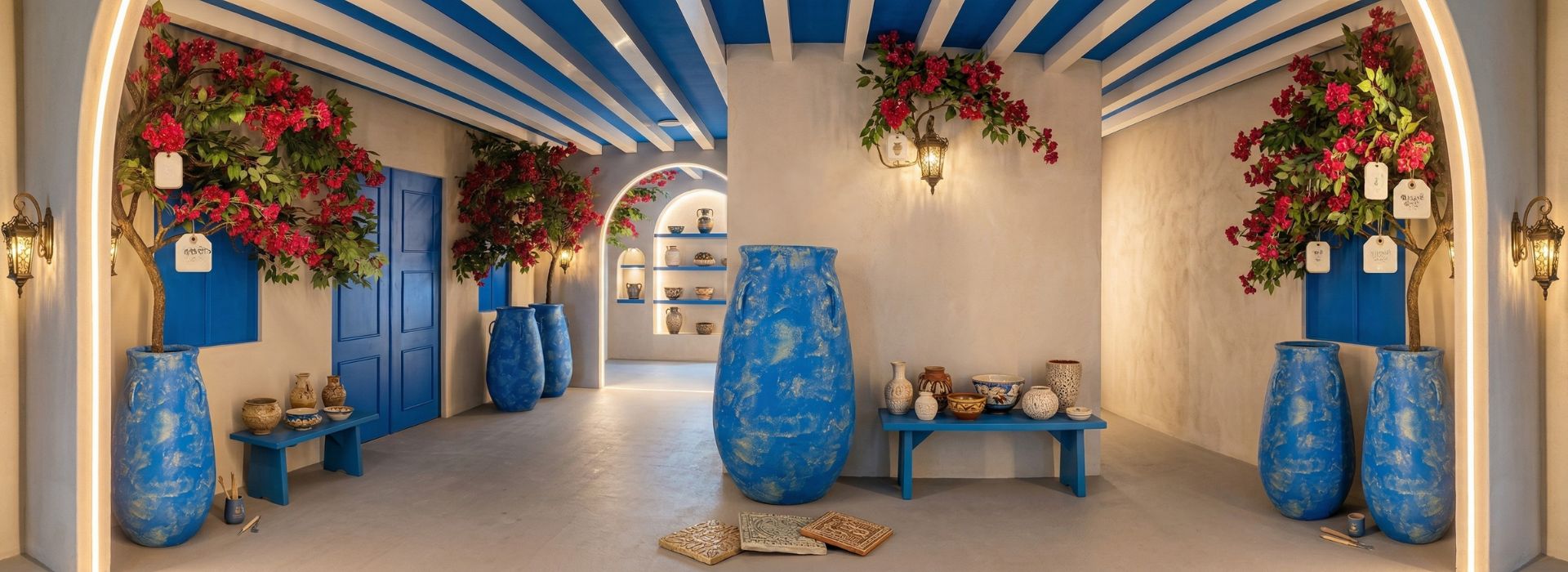
Across hospitality and commercial developments in the UAE, planters play a much bigger role than many people initially expect. While they may appear to be decorative elements, they often influence how people move through a space and how the environment feels overall.
Through years of supplying planters to hotels, retail environments, and commercial buildings, we’ve observed several patterns in how design teams approach planter selection.
From hotel entrances and mall walkways to outdoor courtyards, the way planters are planned and integrated into a project can significantly impact the final design outcome.
Below are some key insights we’ve gathered from working on commercial projects across the region.
Why Early Planter Planning Matters
One of the most common issues we see is that planters are often specified too late in the project timeline.
By the time they are introduced, layouts may already be finalized. This can limit where planters can be placed and how effectively they contribute to the design.
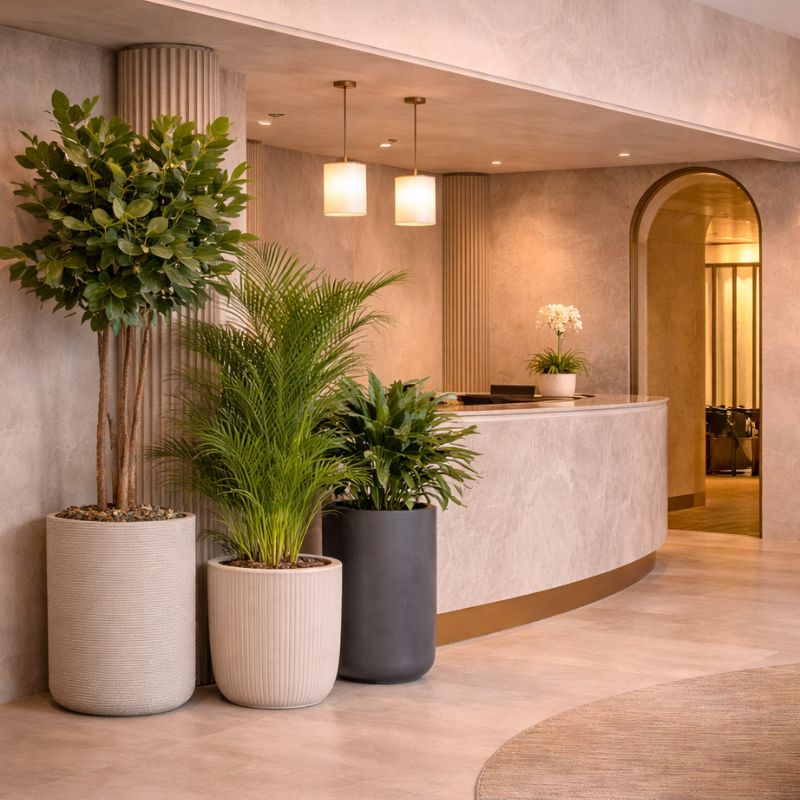
When planters are considered earlier in the design stage, they can help shape the space rather than simply filling empty areas.
Early planning allows design teams to coordinate planters with:
- circulation pathways
- seating arrangements
- entrance framing
- landscape zones
This ensures the planters feel like part of the architecture rather than an afterthought.
Understanding how planters perform in different environments is also important. Our guide on Indoor vs. Outdoor Planters: What You Need to Know Before Buying explains how environmental factors influence planter selection.
Addressing Common Challenges in Commercial Projects
Across many hospitality and commercial developments, we frequently see similar challenges when planters are being specified.
These include:
- Space constraints in entrances, walkways, or lobby areas
- Weight limitations, particularly for indoor installations
- Uncertainty around planter materials
- The need for custom sizes to fit architectural layouts
For example, hotel entrances and mall walkways often require planters that fit precisely within spatial layouts without interrupting circulation.
Material selection can also be confusing when balancing durability, appearance, and practicality.
For designers comparing planter materials, our blog on GRP vs. Ceramic vs. Clay: What Landscape Architects Need to Know Before Specifying Planters provides a useful overview.
Addressing these factors early makes it much easier to select the right planter solution.
Why Custom Planters Are Often the Best Solution
Commercial projects rarely follow standard design templates. Because of this, many designers prefer custom planter solutions.
Custom planters allow teams to align the design with architectural elements, furniture layouts, and landscape concepts.
Benefits of custom planters include:
- sizes that fit precise spatial requirements
- shapes that match architectural features
- colours that align with project design themes
- flexibility for unique entrances or courtyards
This flexibility helps maintain visual consistency across large developments, particularly in hospitality environments where cohesive design is important.
Our article on Custom vs Standard Planters: What Works Best in Hospitality & Retail Projects explores how customization can support stronger design outcomes.
Coordination Between Design and Installation Teams
Another important lesson from commercial projects is the value of early coordination between design teams and installation teams.
Large planters often require careful planning before they arrive on site.
Factors that influence installation include:
- building access routes
- delivery logistics
- installation timing during construction
- positioning within finished spaces
When installation planning happens early, project teams can avoid delays and ensure planters are positioned exactly as intended.
For project managers managing site logistics, our blog on
GRP Planters for Project Managers: Solving On-Site Challenges with Lightweight Design highlights how planter material choices can simplify installation.
Where Planters Make the Biggest Impact
Across many projects in the UAE, planters are used in ways that enhance both aesthetics and functionality within commercial environments.
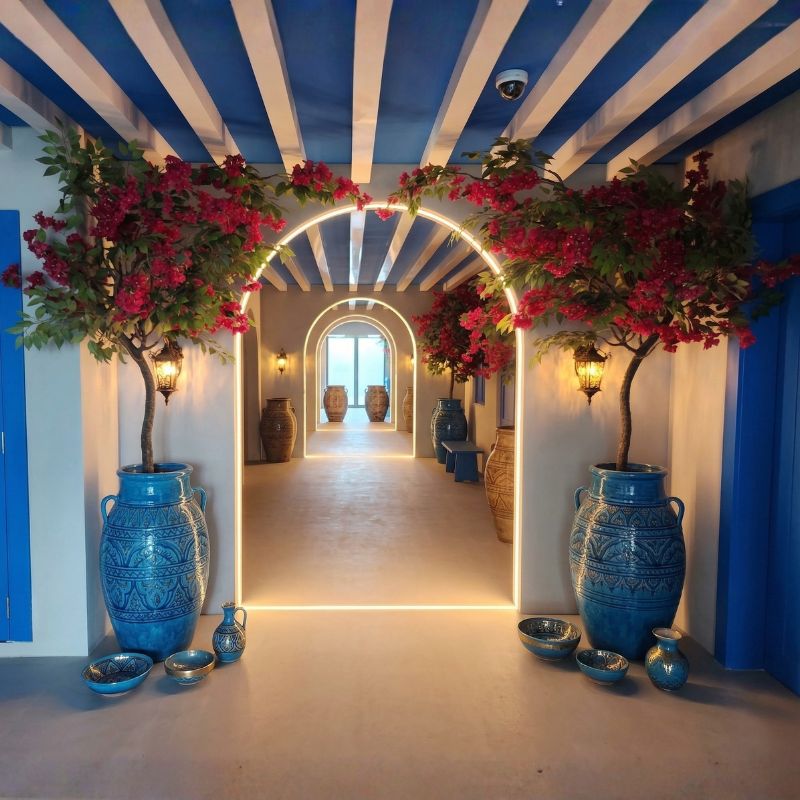
At hotel entrances, planters help frame arrival experiences and create welcoming landscapes that complement the architecture.
Within shopping malls and retail walkways, they soften large architectural spaces while introducing natural elements that improve visitor comfort.
In outdoor courtyards, planters often help define seating areas and gathering zones while adding visual balance to open spaces.
These applications show how planters can influence the way people move through and interact with a space, contributing to both the visual character and usability of commercial environments.
The Advantage of Local Manufacturing
Many project teams also value the ability to source planters locally.
Locally manufactured planters offer several practical advantages:
- shorter delivery timelines
- easier customization
- better coordination during project planning
When production is local, designers can adjust sizes, shapes, or finishes more easily if project requirements change.
This flexibility helps keep projects aligned with both design intent and construction schedules.
Conclusion
Supplying planters to hospitality and commercial developments across the UAE has shown that thoughtful planning and collaboration are essential to successful outcomes.
When integrated early into the design process, planters help shape spatial experiences, enhance architectural environments, and create more balanced landscapes.
From hotel entrances and retail walkways to outdoor courtyards, well-designed planters contribute to both the visual character and functionality of commercial spaces.
If you are planning a hospitality or commercial project and exploring planter options, you can learn more about our range of GRP and GRC planters or connect with the team at Desert Pottery to discuss solutions suited to your project.