In commercial interiors and large-scale developments, planters are no longer just decorative elements. They have become an important part of the architectural environment, helping define circulation paths, soften built spaces, and introduce greenery into hospitality, retail, and office interiors.
For fit-out consultants, specifying the right planter solution involves more than selecting a visually appealing design. Practical considerations such as installation logistics, floor load limits, drainage planning, and durability all influence the final decision.
Two of the most widely used materials in commercial projects are GRP (Glass Reinforced Plastic) and GRC (Glass Reinforced Concrete) planters. Understanding how these materials perform in real project environments helps ensure the selected solution supports both design intent and practical project requirements.
For teams planning commercial landscapes or interior green installations, it can also be helpful to explore available planter designs before finalizing specifications.
Understanding GRP vs GRC Planters in Commercial Fit-Out Projects
One of the most common questions consultants ask during project planning is the difference between GRP and GRC planters. Both materials are widely used in commercial landscaping, but they serve slightly different project needs.
GRP Planters: GRP planters are manufactured using reinforced fiberglass and resin. This creates a strong yet lightweight structure that makes them suitable for interior installations and areas where structural load needs to be considered.They are commonly used in:
- office interiors
- hotel lobbies
- rooftop terraces
- restaurant interiors
Their lightweight construction makes them easier to transport and position during installation.
GRC Planters: GRC planters are produced using reinforced concrete combined with glass fibres. This material offers higher structural strength and is often used for larger outdoor installations where additional weight and stability are beneficial.These planters are often specified for:
- outdoor plazas
- commercial courtyards
- mall entrances
- large statement landscape features
Understanding the differences between these materials allows consultants to match the planter type to the specific needs of the project.
For a deeper material comparison, you can also explore our guide on planter material comparisons:
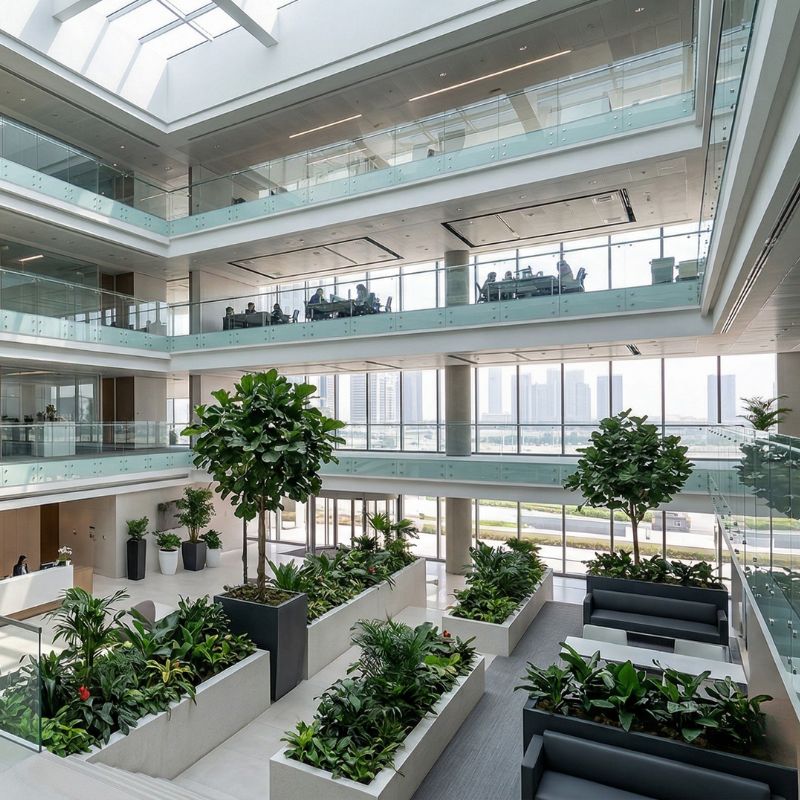
Weight Considerations When Specifying GRP or GRC Planters
Weight plays a significant role when specifying planters for interior fit-out projects.
Consultants typically evaluate several factors, including:
- floor load limitations
- rooftop installations
- raised flooring systems
- transportation within the building
In many commercial environments such as offices, malls, and hospitality interiors, lighter planter materials are easier to handle during installation.
GRP planters are often preferred in these situations because they simplify transportation and positioning. In contrast, GRC planters are generally selected for exterior spaces where stability is more important than weight reduction.
Understanding weight considerations early in the project can help avoid logistical challenges during the fit-out phase.
Custom Planters for Hospitality, Retail and Office Interiors
Commercial projects often require planters that align closely with the overall design concept of the space.
Fit-out consultants frequently look for options that allow:
- custom dimensions
- unique shapes
- finishes that complement architectural materials
- consistency across multiple units within a project
Planters are often used to enhance:
- hotel lobby landscapes
- retail display environments
- restaurant terraces
- office reception areas
Because of this, customization plays an important role in ensuring the planter design integrates seamlessly with the architecture.
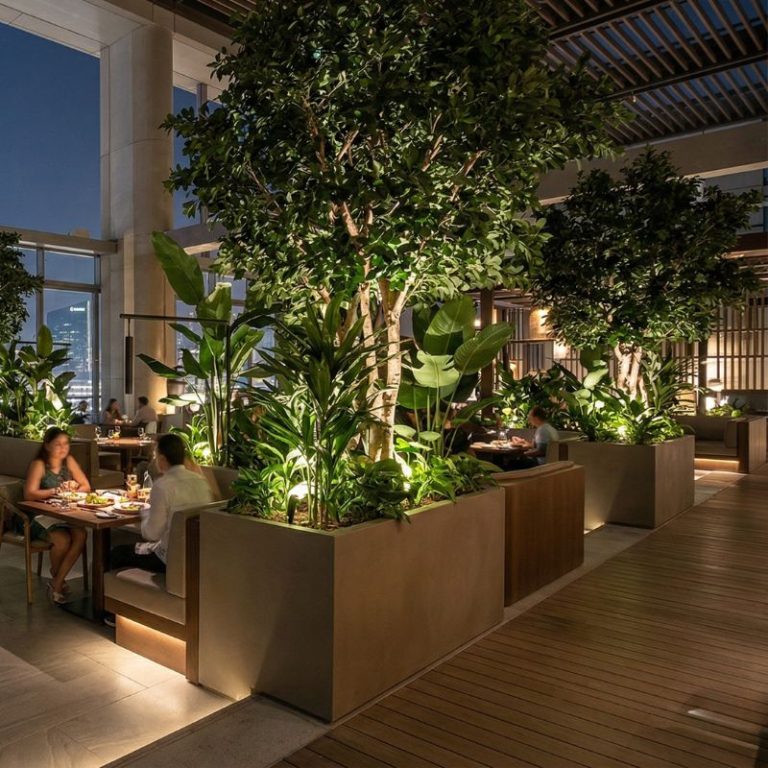
Drainage and Water Management for Interior Planters
Water management is one of the most important aspects of interior landscaping.
When specifying planters, consultants must ensure that the design accommodates proper drainage and protects surrounding finishes.
Typical considerations include:
- drainage holes
- internal liners
- water trays
- compatibility with irrigation systems
Planning these elements during the design stage helps prevent damage to flooring and ensures healthy plant growth within the planters.
If your project includes both indoor and outdoor landscape elements, you may also find our guide on indoor and outdoor planter requirements useful.
Installation Planning for Commercial Planters
Planters are rarely installed in isolation. They must be coordinated with other elements of the fit-out process, including flooring, furniture, lighting, and architectural finishes.
Fit-out consultants typically consider:
- delivery access routes
- corridor widths for transport
- elevator capacity
- final placement within the space
Materials that are easier to handle during installation can significantly reduce coordination challenges on-site.
For additional insights into planter installation considerations, you can read our article.
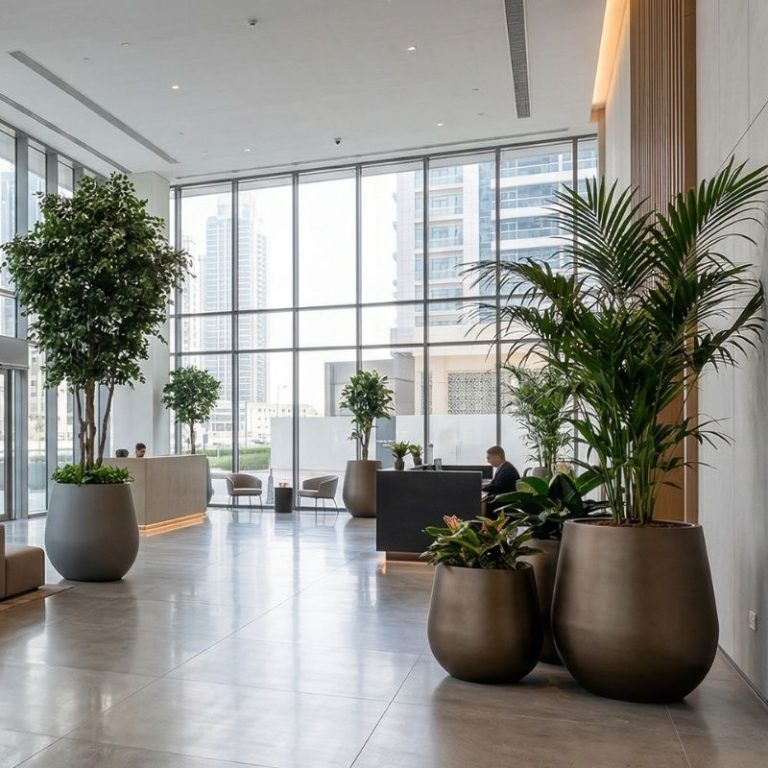
Durability of GRP and GRC Planters in Commercial Spaces
Planters used in commercial environments must withstand daily use and long-term exposure to environmental conditions.
Consultants typically evaluate materials based on their performance in environments that experience:
- High foot traffic
- Frequent Cleaning
- Indoor Climate Control
- Outdoor Exposure
Both GRP and GRC planters are widely used in commercial landscaping because they maintain their structural integrity while supporting greenery in busy environments.
Planter Specification Checklist for Fit-Out Consultants
Before finalizing planter selections, many consultants review a set of practical considerations to ensure the solution aligns with project requirements.
- Structural Weight: Evaluate the combined weight of the planter, soil, and plants, especially for rooftop and elevated installations.
- Installation Logistics: Confirm that the planters can be transported and installed easily within the building.
- Drainage Requirements: Ensure the design includes drainage solutions that protect surrounding surfaces.
- Dimensional Coordination: Planter sizes should align with circulation spaces and seating layouts.
- Long-Term Performance: The materials selected should support durability in commercial environments.
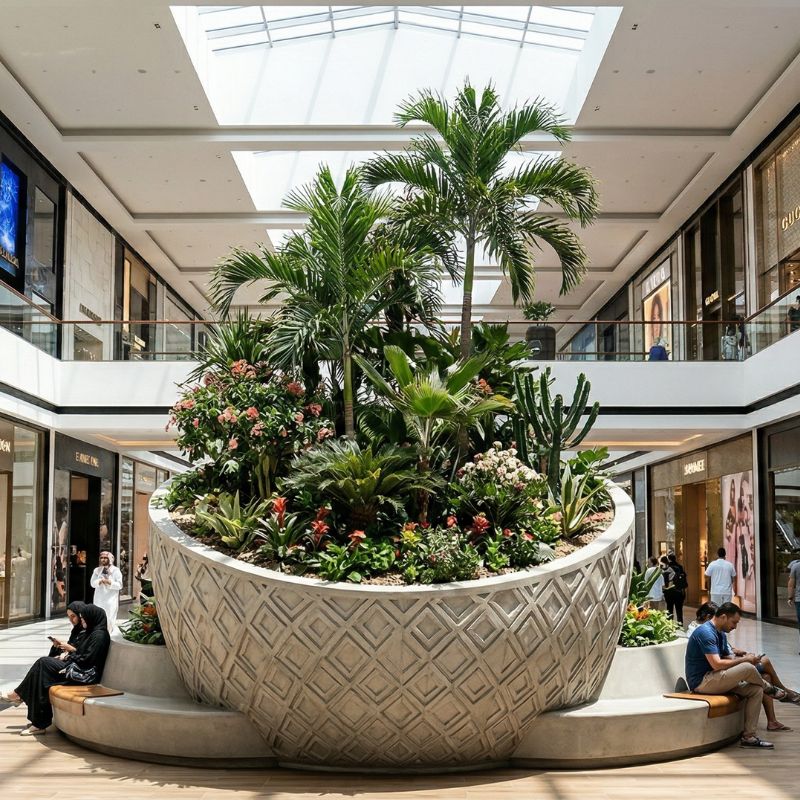
Planters play an important role in shaping commercial interiors and outdoor environments. For fit-out consultants, selecting the right material involves balancing design intent with practical project considerations.
Understanding the differences between GRP and GRC planters allows consultants to specify solutions that align with installation requirements, project timelines, and long-term durability.
If you are planning a commercial fit-out project and exploring planter solutions, you can browse available designs or discuss your project requirements with the Desert Pottery team.