How to Choose the Right Planter Size
When it comes to commercial landscaping and interior plant styling, the size of your planter is more than a design decision — it’s a functional necessity. Selecting the right planter size ensures your plants thrive, remain stable, and fit seamlessly into your overall layout. Whether you’re greening a lobby, a hotel courtyard, or a high-end office corridor, here’s how to get the sizing right.
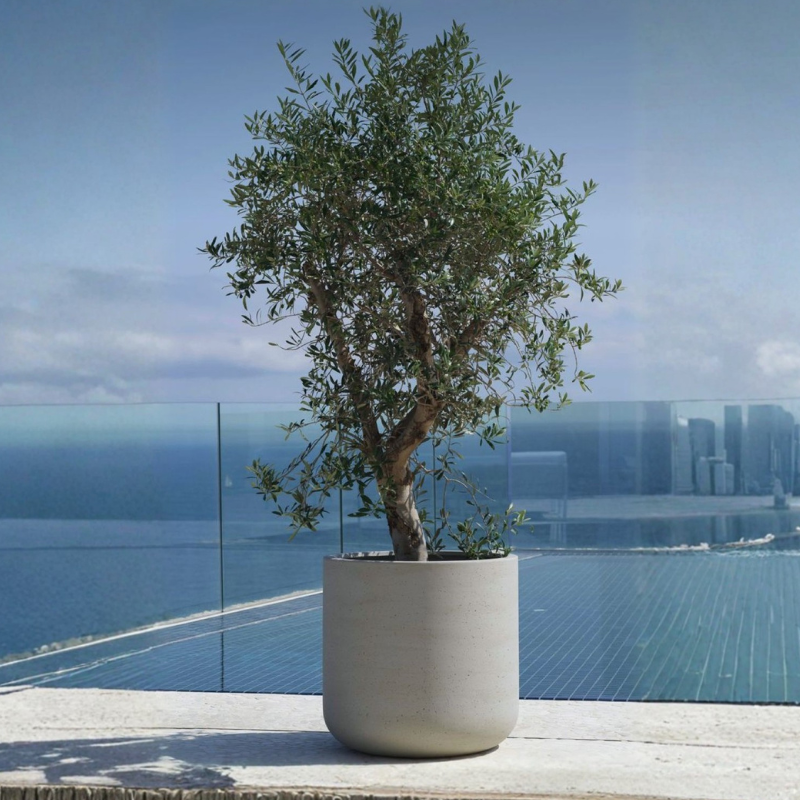
Why Planter Sizing Matters
Proper planter sizing is critical for:
- Plant Health: Roots need room to breathe and grow. Undersized pots lead to restricted growth and waterlogging issues.
- Aesthetics & Proportion: A well-proportioned pot-to-plant ratio creates visual harmony and professional finish.
- Stability: Especially in high-traffic or outdoor areas, appropriately sized pots prevent toppling or shifting.
- Long-Term Maintenance: Planters that allow for proper root development reduce the frequency of replacements or re-potting.
While the exact measurements vary based on species and maturity, here are general guidelines:
🌳 Trees (e.g., Ficus, Olive Trees)
- Depth is key — ensure the planter can accommodate deep root systems.
- Choose broader bases for stability, especially for outdoor or lobby installations.
🌿 Shrubs (e.g., Crotons, Dracaenas, Boxwood)
- Need mid-depth pots with ample width to allow lateral root spread.
- Ensure pots are heavy enough to anchor the plant.
🪴 Indoor Plants (e.g., Snake Plant, Monstera, Pothos)
- Match planter depth to root ball height with extra space for growth.
- For shelf or tabletop displays, keep height and diameter balanced with your décor scale.
Additional Considerations
- Plant Growth Stage
- Account for future growth. Opt for a planter that supports at least 1–2 years of plant development before needing a repot.
- Location & Traffic
- For high-footfall areas, choose broader or weighted planters that prevent tipping.
- Consider narrower planters for corridors or tight office spaces where circulation is key.
- Drainage Needs
- Larger planters allow better drainage layering (gravel, liner, soil mix).
- Make sure planters — especially for indoor use — include options for self-watering trays or sealed bases.
- Visual Scale & Design Harmony
- In entryways and atriums, tall planters work best to draw the eye upward.
- For lounges or relaxed seating, lower, wider planters create a grounded atmosphere.
Why GRP & GRC Planters Are Ideal for Size Variety
Both GRP (Glass Reinforced Plastic) and GRC (Glassfibre Reinforced Concrete) offer excellent design flexibility and can be fabricated in various sizes without compromising durability. Whether you need tall statement planters for palms or compact pots for table plants, these materials deliver:
- Strength at low weight (GRP)
- Textured finishes and natural tones (GRC)
- Custom moldability for oversized or non-standard dimensions
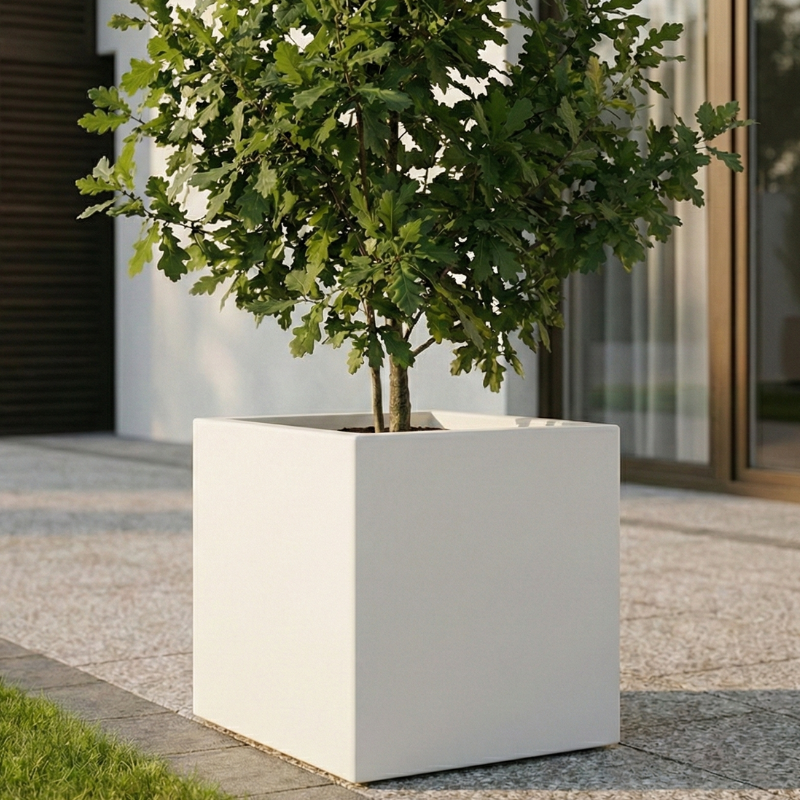
At Desert Pottery, we work closely with project managers, facility designers, and procurement teams to recommend planter sizes that match plant type, placement, and design intent. From ready-made collections to custom GRP and GRC builds, we ensure your greenery not only looks good — but lasts.
Start your project with the right planter. Contact us today.